




Not long ago, social audio apps were everywhere. Then suddenly, they seemed to disappear from the spotlight.
Now in 2026, they are back again, but this time with stronger features and a clearer purpose.
People are once again turning to voice based platforms for conversations, discussions, and community building.
“Sometimes trends do not disappear, they just evolve.”
That is exactly what has happened with social audio apps.
Why Social Audio Is Trending Again
The comeback is not random.
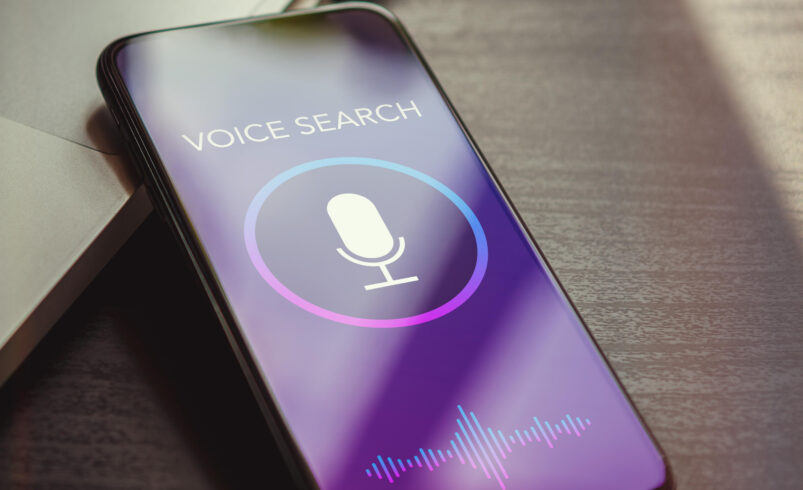
Users are looking for more authentic and less filtered ways to connect. Text and video content can feel curated and edited, but voice feels more real and immediate.
Social audio apps provide a space where people can speak freely and interact in real time.
Real Time Conversations Matter
One of the biggest strengths of social audio is live interaction.
Unlike recorded content, these apps allow users to join conversations as they happen. This creates a sense of presence and engagement.
Official Website: https://www.clubhouse.com
Platforms like this are focusing on building communities through live discussions.
Integration With Existing Platforms
Another reason for the comeback is integration.
Many popular platforms are adding audio features to their apps, making it easier for users to join voice conversations without switching tools.
Official Website: https://twitter.com
This helps social audio reach a wider audience.
Podcast Style Experiences
Social audio apps are also blending with podcast formats.
Users can host sessions that feel like live podcasts, where listeners can join, ask questions, and interact directly with speakers.
This creates a more engaging experience compared to traditional podcasts.
Community Building Through Voice
Voice based interaction creates a different kind of connection.
Communities built on social audio platforms often feel more personal. Users recognize voices and develop stronger relationships over time.
This is especially valuable for niche communities and interest based groups.
Opportunities for Creators
Content creators are finding new opportunities in social audio.
They can host discussions, share knowledge, and build audiences without needing complex production setups.
All they need is a smartphone and a good idea.
This lowers the barrier to entry and encourages more people to participate.
Why Users Enjoy Audio Platforms
There are several reasons why users are drawn to social audio apps.
First is convenience. Users can listen while doing other tasks.
Second is authenticity. Conversations feel more natural and less scripted.
Third is interaction. Users can actively participate rather than just consume content.
These factors make social audio appealing in a unique way.
Challenges Still Exist
Despite the comeback, social audio apps face challenges.
Retention can be difficult, as users may not return regularly. Moderation is also important to ensure safe and respectful conversations.
Platforms are working to improve these areas with better tools and guidelines.
The Future of Social Audio
Social audio is likely to continue evolving.
We may see better discovery features, improved moderation systems, and more integration with other types of content.
AI could also play a role in summarizing conversations or enhancing audio quality.
Final Thoughts
Social audio apps are proving that voice still has a powerful place in digital communication.
They offer a different kind of experience, one that feels more human and immediate.
The comeback of these apps shows that users are looking for deeper connections, not just more content.
As technology continues to evolve, social audio may become a regular part of how people interact online.
And this time, it looks like it is here to stay.